
Summary
GPU architecture and optimization accelerates AI workloads by identifying bottlenecks and maximizing compute efficiency.
Understanding and maximizing GPU utilization
Towards Data Science publishes a comprehensive guide on understanding and optimizing GPU usage. In an age of constrained compute, the article shows how to improve GPU efficiency through understanding architecture, identifying bottlenecks, and applying fixes. These range from simple PyTorch commands to custom kernels.
Why GPU knowledge becomes essential
For BI professionals working with machine learning and AI models, GPU knowledge is no longer optional. The difference between a well and poorly configured GPU environment can save hours of training time. With rising costs of cloud GPUs, efficient utilization also becomes a financial necessity.
Practical optimization steps
Start by monitoring your current GPU usage with nvidia-smi and PyTorch profilers. Identify whether your workload is compute-bound or memory-bound and adjust your configuration accordingly. Consider mixed-precision training as a first optimization step for immediate time savings.
Deepen your knowledge
Knowledge Base
Predictive Analytics — What can it do for your business?
Discover what predictive analytics is, how it works, and how to apply it in your business. From the 4 levels of analytic...
Knowledge BaseWhat is Power BI? Everything you need to know
Discover what Microsoft Power BI is, how it works, what it costs, and why it's the world's most popular BI tool. Complet...
Knowledge BaseAI in Power BI — Copilot, Smart Narratives and more
Discover all AI features in Power BI: from Copilot and Smart Narratives to anomaly detection and Q&A. Complete overview ...
Related articles

AI in Multiple GPUs: ZeRO & FSDP
Explanation of Zero Redundancy Optimizer (ZeRO) and FSDP for multi-GPU AI training, including PyTorch implementation.
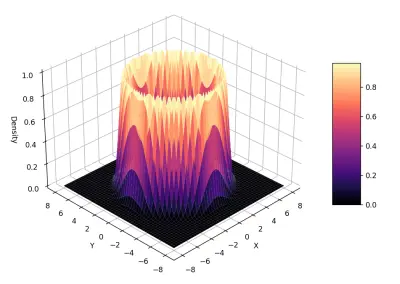
An Intuitive Guide to MCMC (Part I): The Metropolis-Hastings Algorithm
The Metropolis-Hastings algorithm provides BI professionals with a powerful tool for probabilistic modeling and data ana...
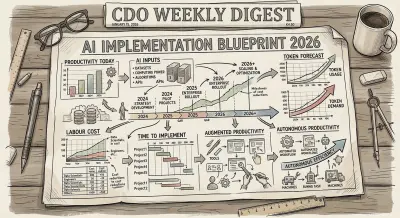
The Complete Guide to AI Implementation for Chief Data & AI Officers in 2026
The implementation of AI will be crucial for CDOs in 2026 to accelerate growth and efficiency.

The Data Team’s Survival Guide for the Next Era of Data
Six pillars for data teams to simplify their stack and prepare for AI agents as primary data consumers.