Summary
Successfully deploying language models requires careful considerations from architecture to monitoring.
Practical Steps for Deployment
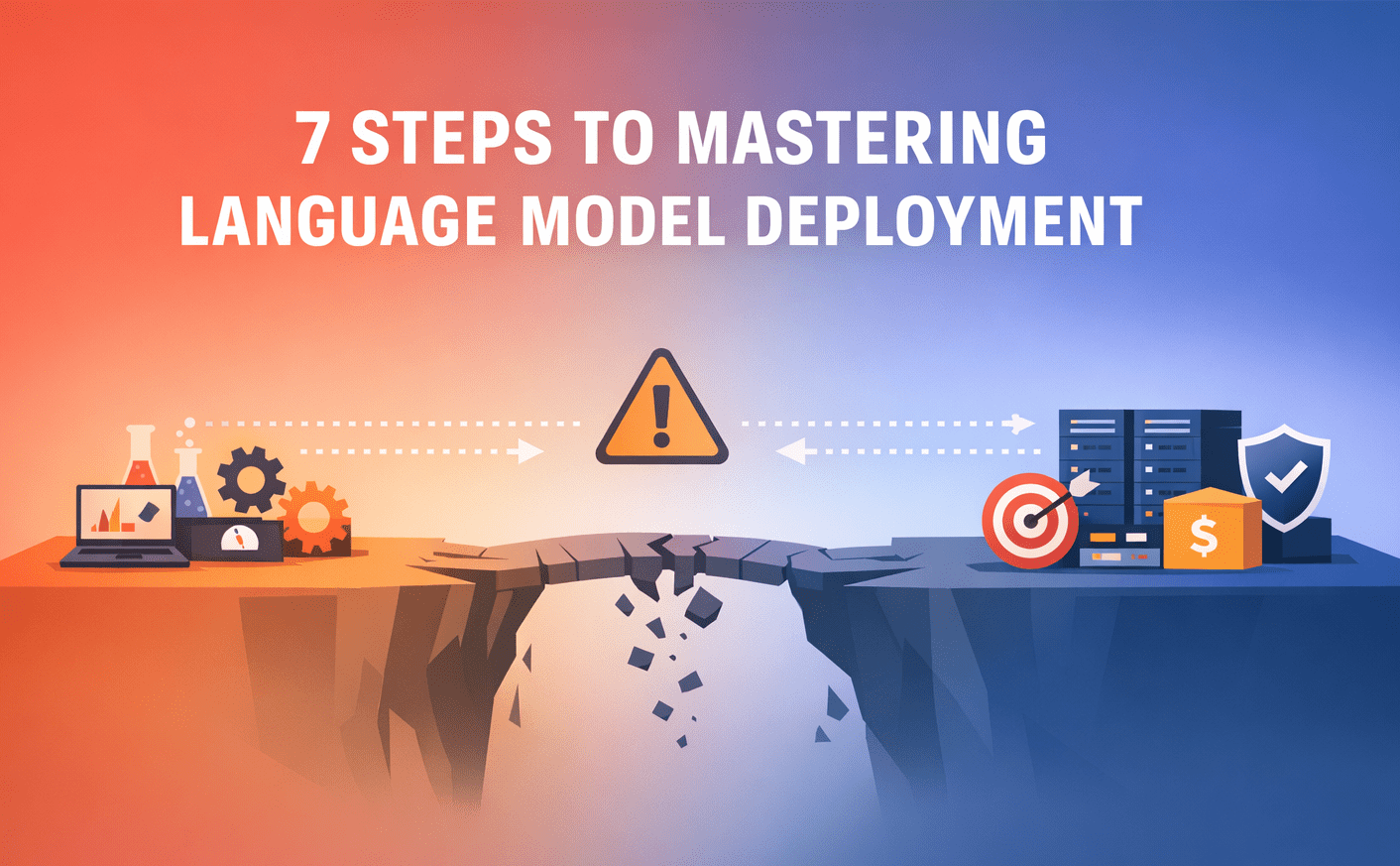
The article outlines seven critical steps for deploying language models, including making architectural decisions, evaluating costs, and ensuring safety. It also emphasizes the importance of latency and implementing a robust monitoring strategy, which is vital for the efficient operation of these advanced tools.
Implications for the BI Market
The use of language models aligns with the broader trend of increasing automation in business intelligence. Competitors in this space, like Microsoft with Azure AI and Google Cloud with its AI tools, are heavily investing in language models. This article highlights not only the necessity for strategic planning but also the practical aspects needed for effective integration to remain competitive.
Takeaway for BI Professionals
BI professionals should invest in understanding language models and their associated architectures to future-proof their systems. Proactively applying these insights is crucial to stay ahead of the competition.
Deepen your knowledge
Knowledge Base
ChatGPT and BI — How AI is transforming data analysis
Discover how ChatGPT and generative AI are changing business intelligence. From generating SQL and DAX to automating dat...
Knowledge BaseAI in Power BI — Copilot, Smart Narratives and more
Discover all AI features in Power BI: from Copilot and Smart Narratives to anomaly detection and Q&A. Complete overview ...
Knowledge BasePredictive Analytics — What can it do for your business?
Discover what predictive analytics is, how it works, and how to apply it in your business. From the 4 levels of analytic...