Summary
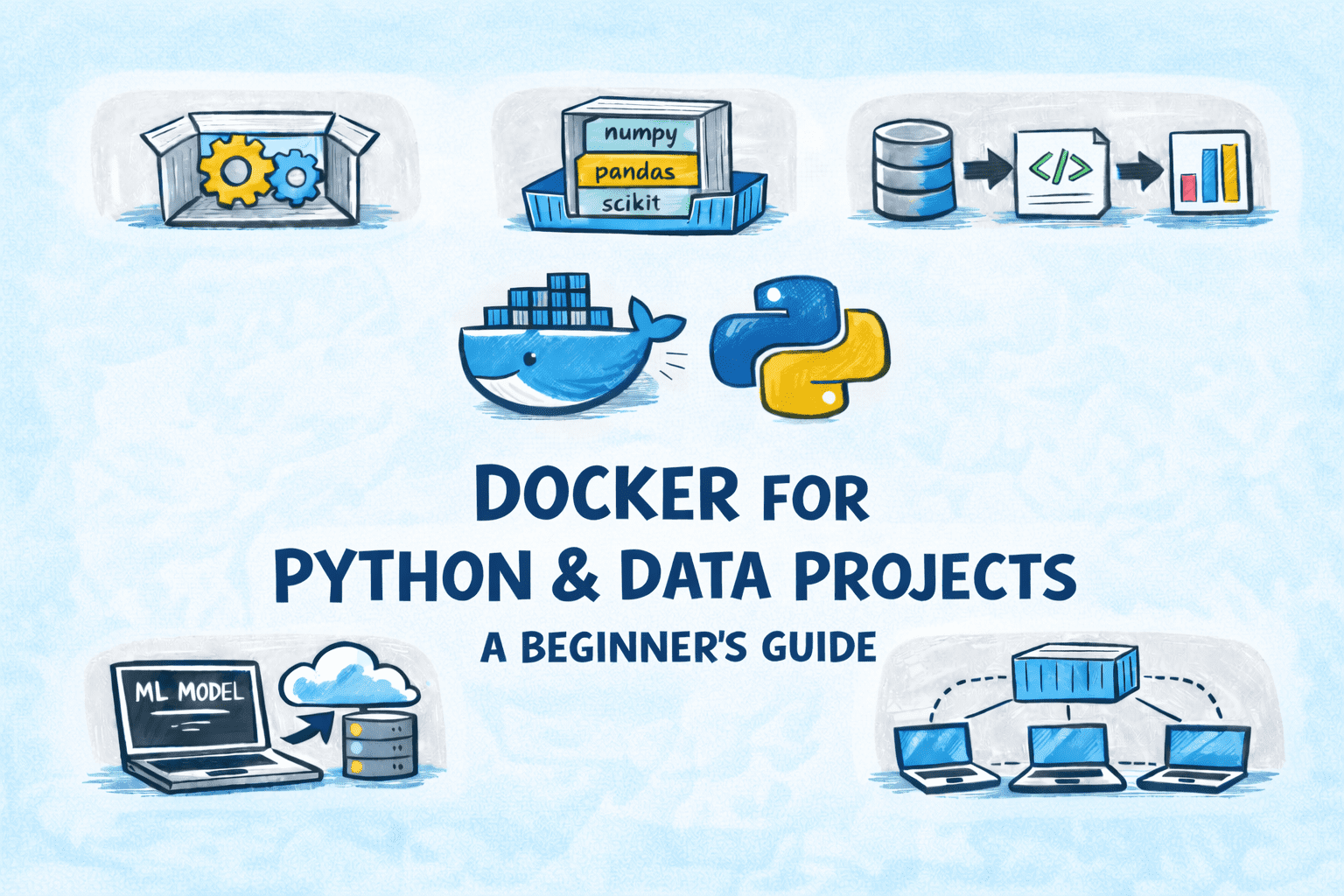
Docker for Python projects enhances the consistency of environments for data analysis. Docker helps manage dependencies and enables easy deployment.
Docker for Python projects: what is happening
Docker allows users to create standardized environments for their Python data projects. This reduces the complexity of managing various dependencies, which is crucial for smooth development and deployment. By using containers, developers can easily share and run their projects on different systems.
Why this is important
For BI professionals, it is essential to understand how container technology like Docker can transform the way projects are executed. Competitors such as Kubernetes also offer scalability and management capabilities, but Docker remains the first choice for many developers due to its simplicity and accessibility. This trend indicates a shift towards more containerized and automated data analysis environments, enhancing efficiency and speed in project timelines.
Concrete takeaway
BI professionals should explore using Docker for their Python and data projects. Implementing Docker can not only improve the quality of development environments but also enhance team collaboration and reduce time-to-market.
Deepen your knowledge
Knowledge Base
ETL Explained — Extract, Transform, Load in plain language
What is ETL? Learn how Extract, Transform, and Load works, the difference with ELT, and which tools to use. Clearly expl...
Knowledge BaseWhat is Power BI? Everything you need to know
Discover what Microsoft Power BI is, how it works, what it costs, and why it's the world's most popular BI tool. Complet...
Knowledge BasePredictive Analytics — What can it do for your business?
Discover what predictive analytics is, how it works, and how to apply it in your business. From the 4 levels of analytic...
Related articles

5 Powerful Python Decorators for High-Performance Data Pipelines
Python decorators can significantly enhance the performance of data pipelines by providing reusable and efficient code.

5 Useful Python Scripts for Synthetic Data Generation
Leveraging synthetic data through Python scripts can help companies train AI models without leaking real data.

Run Tiny AI Models Locally Using BitNet A Beginner Guide
Running small AI models locally with BitNet provides BI professionals a powerful tool for chat and inference without rel...

How to Speed Up Slow Python Code Even If You’re a Beginner
Slow Python code can often be attributed to minor inefficiencies, but beginner-friendly techniques can help speed up pro...