Summary
Data lakes are gaining increasing attention as a solution to the complexity of data management and analysis in organizations.
Data lakes clarify the business case
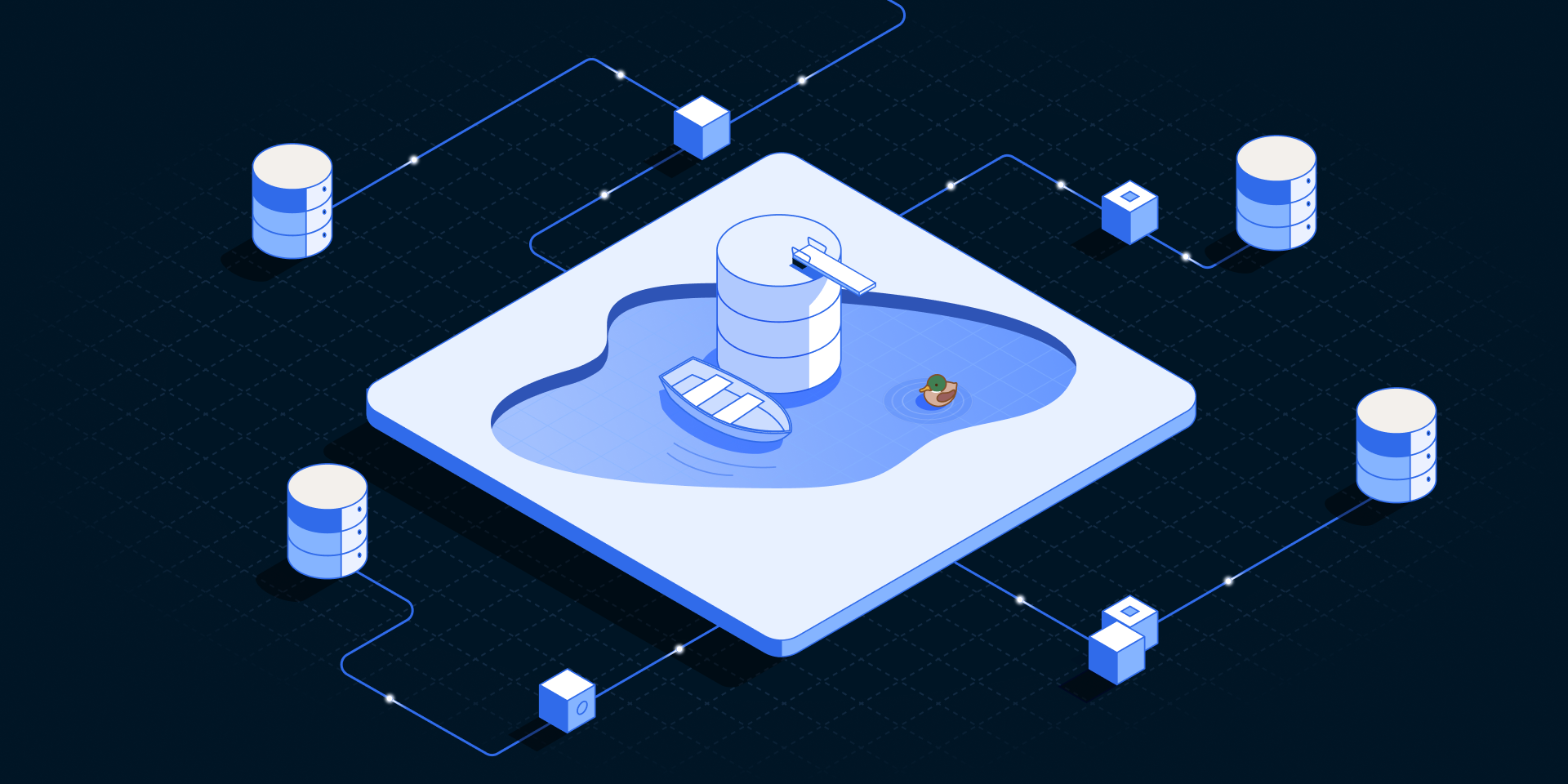
Fivetran's article explains how transitioning to a data lake can help companies consolidate various data streams. With a unified data architecture, organizations can better respond to data needs, ranging from analytics to AI applications. The focus is on simplifying data management and enhancing decision-making processes.
Why this is important
This development fits within the broader trend of data collection and analysis, where companies increasingly realize that traditional data models do not meet the demands of modern data analysis. Competitors such as Snowflake and Google Cloud also offer similar solutions. A data lake enables scalable storage and access to diverse data, which is a crucial step in a time when businesses must quickly adapt to changing market conditions.
Concrete takeaway
A BI professional should keep an eye on the shift towards data lakes and evaluate how adopting such a structure can enhance their data strategy. Upgrading existing data management systems to a data lake can yield significant benefits in terms of efficiency and analytics.
Deepen your knowledge
Knowledge Base
What is Business Intelligence? Definition, examples and tools
What is business intelligence (BI)? Learn about the definition, BI stack, real-world examples, popular tools, and 2026 t...
Knowledge BaseData-Driven Work — How to get started as an organization
Learn how to become a data-driven organization. From data maturity to culture change: a practical step-by-step guide wit...
Knowledge BaseData Governance for SMBs — A practical approach
What is data governance and how do you approach it as an SMB? A practical guide covering GDPR compliance, data quality, ...
Related articles

Run local AI queries on your data lake with DuckDB and Claude | Blog | Fivetran
By integrating DuckDB with Claude, BI professionals can run local AI queries on their data lake for enhanced insights.

Governing your lakehouse with Fivetran Managed Data Lake Service | Blog | Fivetran
Fivetran launches the Managed Data Lake Service, simplifying data management in lakehouses for organizations.

What is Open Data Infrastructure? | Blog | Fivetran
Open Data Infrastructure is becoming the new standard for enhancing the modern data stack, promoting the adoption of ope...

Your next workforce runs on data: Are you ready for that future? | Blog | Fivetran
Companies are transitioning from traditional human organizations to advanced computational systems driven by data. BI pr...